
Diet Food for Weight Loss: What to Eat for Healthy and Sustainable Results
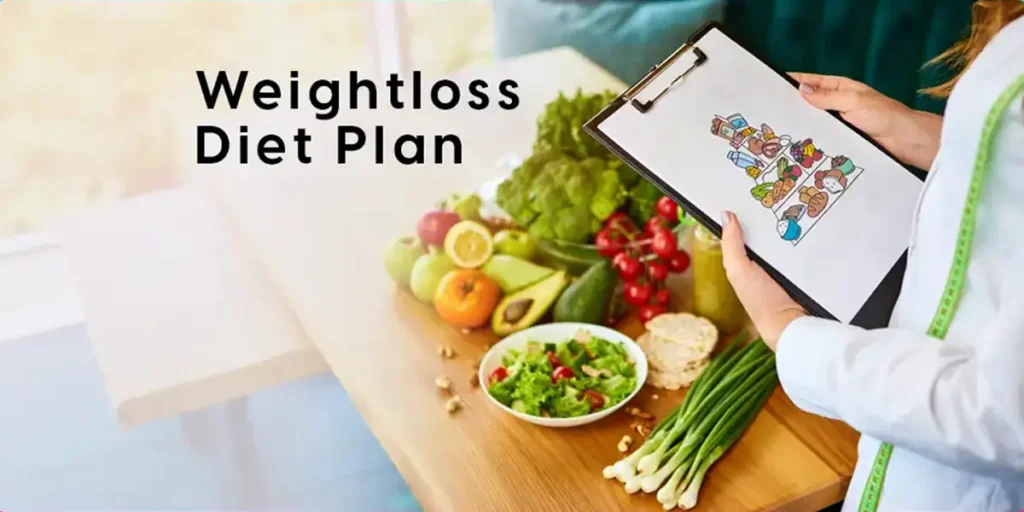
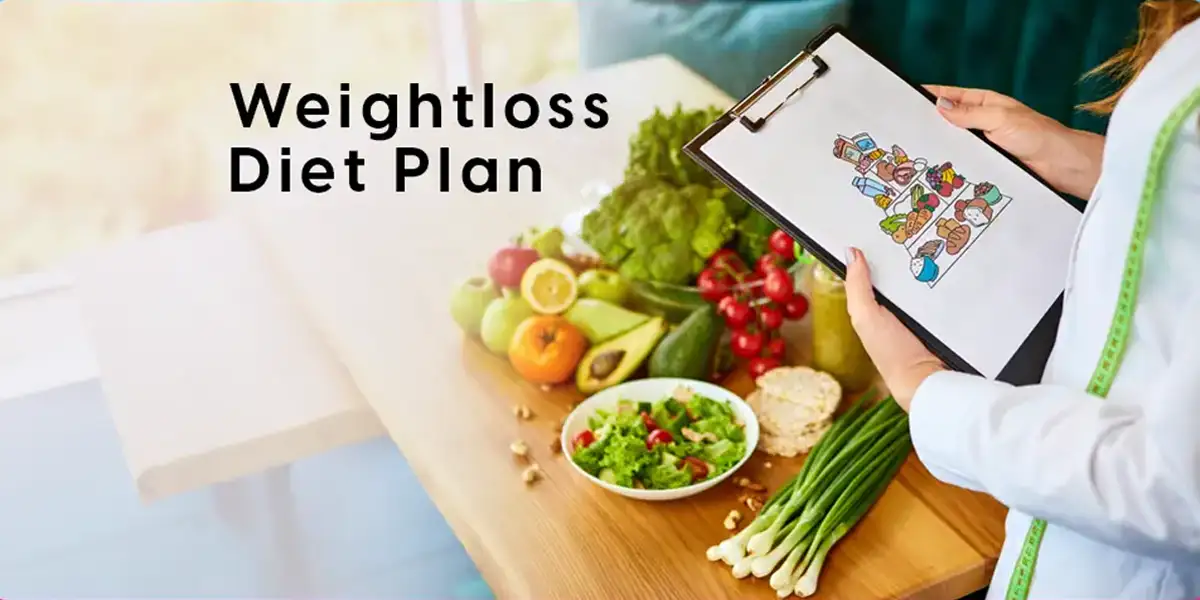
Losing weight does not mean starving yourself or giving up on taste. The key to successful and long-term weight loss lies in choosing the right diet food that nourishes your body while keeping calorie intake under control. A well-balanced diet focused on healthy weight loss food can help you burn fat, maintain muscle, and improve overall well-being. In this article, we will explore the best diet foods for weight loss, smart snacking options, protein-rich choices, and how popular approaches like the keto diet fit into a weight-loss plan.
Understanding Healthy Weight Loss Food
Healthy weight loss food is not just about cutting calories; it is about improving food quality. These foods are rich in nutrients, fiber, and protein while being low in unhealthy fats and added sugars. Whole foods such as vegetables, fruits, lean proteins, whole grains, and healthy fats form the foundation of a weight-loss-friendly diet.
Vegetables like spinach, broccoli, zucchini, and cauliflower are low in calories but high in fiber, helping you feel full for longer. Fruits such as berries, apples, and oranges satisfy sweet cravings without adding excess calories. Including these foods in your daily meals can naturally reduce overeating and support fat loss.
The Role of High Protein Low Calorie Food
Protein plays a crucial role in weight loss. Consuming high protein low calorie food helps preserve muscle mass, boosts metabolism, and reduces hunger hormones. Studies show that people who eat more protein tend to feel fuller and consume fewer calories throughout the day.
Excellent protein-rich, low-calorie options include skinless chicken breast, turkey, fish, egg whites, tofu, and Greek yogurt. Plant-based sources like lentils, chickpeas, and beans also provide protein along with fiber, which aids digestion and keeps blood sugar levels stable.
Adding protein to every meal—whether breakfast, lunch, or dinner—can make a significant difference in weight-loss success. For example, starting your day with eggs or Greek yogurt instead of sugary cereal can help control cravings later in the day.
Smart Snacking with Low Calories Snack Options
Snacking is often seen as a weight-loss enemy, but when done correctly, it can actually help. Choosing a low calories snack between meals prevents extreme hunger and reduces the risk of overeating during main meals.
Some healthy low-calorie snack ideas include fresh fruit, vegetable sticks with hummus, air-popped popcorn, boiled eggs, cottage cheese, and nuts in controlled portions. Yogurt with berries or a protein smoothie can also be satisfying without adding too many calories.
The key is portion control and mindful eating. Avoid processed snacks high in sugar and refined carbs, as they cause blood sugar spikes and crashes, leading to more cravings.
Incorporating Healthy Fats the Right Way
Healthy fats are essential for hormone balance and nutrient absorption, even during weight loss. Foods like avocados, olive oil, nuts, seeds, and fatty fish provide healthy fats that promote satiety.
While fats are calorie-dense, consuming them in moderation can prevent overeating. For example, adding a small amount of olive oil to a salad or a few slices of avocado to a meal can increase satisfaction without sabotaging weight-loss goals.
Keto Diet and Weight Loss
The keto diet is a popular weight-loss approach that focuses on low carbohydrates, moderate protein, and high fat intake. By reducing carbs significantly, the body enters a metabolic state called ketosis, where it burns fat for energy instead of glucose.
Common keto-friendly foods include eggs, meat, fish, cheese, nuts, seeds, healthy oils, and low-carb vegetables like spinach and cauliflower. Many people experience rapid initial weight loss on the keto diet, mainly due to reduced water weight and appetite suppression.
However, keto is not suitable for everyone. It requires strict carbohydrate control and careful planning to avoid nutrient deficiencies. Before starting a keto diet, it is advisable to consult a healthcare professional, especially if you have existing medical conditions.
Hydration and Lifestyle Matter Too
Diet food alone cannot guarantee weight loss. Drinking enough water helps control appetite, supports digestion, and improves metabolism. Replacing sugary drinks with water, herbal tea, or black coffee can significantly reduce calorie intake.
Additionally, regular physical activity, proper sleep, and stress management are essential components of a healthy weight-loss journey. Even the best healthy weight loss food works best when combined with an active and balanced lifestyle.
Final Thoughts
Weight loss does not require extreme dieting or eliminating entire food groups. By focusing on healthy weight loss food, choosing high protein low calorie food, enjoying a low calories snack when needed, and understanding approaches like the keto diet, you can create a sustainable eating pattern that supports your goals.
Remember, consistency matters more than perfection. Small, smart food choices made daily lead to long-term success and a healthier, happier you.