
PCOD in Females: Symptoms, Causes, and Effective Management
PCOD in females, also known as Polycystic Ovarian Disease, is a common hormonal disorder affecting women of reproductive age. It is estimated that millions of women worldwide suffer from PCOD, often without realizing it in the early stages. This condition can impact menstrual health, fertility, weight, skin, and overall quality of life. Understanding PCOD symptoms, causes, and treatment options is the first step toward effective management.
What Is PCOD?
PCOD in females occurs when the ovaries produce excess androgens (male hormones), leading to hormonal imbalance. This imbalance interferes with normal ovulation, causing multiple immature follicles to develop in the ovaries. Unlike PCOS, which is more severe, PCOD is often manageable with lifestyle changes and medical support.
Common PCOD Symptoms
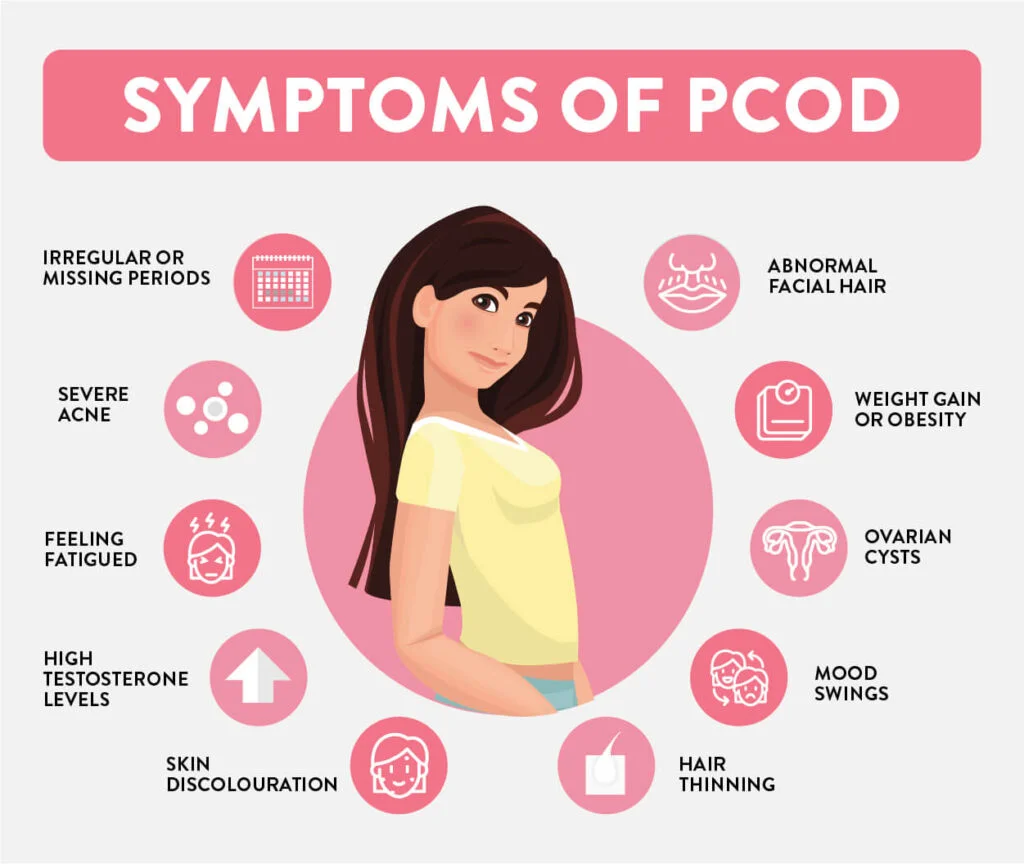
PCOD symptoms can vary from woman to woman. Some may experience mild signs, while others face more severe complications. The most common PCOD symptoms include:
- Irregular or missed periods
- Weight gain, especially around the abdomen
- Excess facial and body hair (hirsutism)
- Acne and oily skin
- Hair thinning or hair loss
- Fatigue and mood swings
- Difficulty in conceiving
Irregular menstrual cycles are often the first noticeable sign of PCOD in females. Hormonal imbalance can also affect insulin levels, making weight management more difficult.
Causes of PCOD in Females
The exact causes of PCOD are not fully understood, but several factors are believed to contribute to its development. These include:
- Hormonal imbalance: Excess androgen production disrupts ovulation.
- Insulin resistance: High insulin levels stimulate androgen production, worsening PCOD symptoms.
- Genetic factors: A family history of PCOD increases the risk.
- Unhealthy lifestyle: Poor diet, lack of exercise, and chronic stress can trigger or worsen the condition.
Understanding the causes of PCOD helps in choosing the right treatment and preventive measures.
PCOD and Weight Gain
Weight gain is both a symptom and a contributing factor in PCOD. Many women struggle with PCOD weight loss due to insulin resistance and slow metabolism. Even small weight gain can worsen hormonal imbalance and menstrual irregularities.
However, losing just 5–10% of body weight can significantly improve PCOD symptoms, regulate periods, and enhance fertility. A combination of proper diet, regular exercise, and stress management is key.
PCOD Diet: What to Eat and Avoid
A balanced PCOD diet plays a crucial role in managing symptoms. The goal is to stabilize blood sugar levels and reduce inflammation.
Recommended foods for PCOD:
- Whole grains like oats and brown rice
- Lean proteins such as eggs, fish, and legumes
- Healthy fats from nuts, seeds, and olive oil
- Fiber-rich fruits and vegetables
- Low-glycemic foods to control insulin levels
Foods to avoid:
- Refined carbohydrates and sugary foods
- Processed and fried foods
- Sugary drinks and packaged snacks
Staying hydrated and eating at regular intervals can further support hormonal balance.
PCOD Treatment Options
PCOD treatment depends on symptoms, age, and whether pregnancy is desired. While there is no permanent cure, symptoms can be effectively managed.
Common PCOD treatment approaches include:
- Lifestyle changes: Diet improvement, weight management, and exercise
- Medications: Hormonal pills to regulate periods, insulin-sensitizing drugs, or acne treatments
- Fertility treatments: For women trying to conceive, ovulation-inducing medications may be prescribed
Early diagnosis and consistent management can prevent long-term complications like diabetes, infertility, and heart disease.
Exercise and Stress Management
Regular physical activity helps improve insulin sensitivity and supports PCOD weight loss. Activities such as brisk walking, yoga, strength training, and cycling are especially beneficial.
Stress management is equally important, as high stress levels can worsen hormonal imbalance. Meditation, deep breathing, and adequate sleep can help regulate hormones naturally.
Final Thoughts
PCOD in females is a manageable condition when addressed with the right knowledge and lifestyle choices. Recognizing early PCOD symptoms, understanding the causes of PCOD, following a balanced PCOD diet, and seeking timely PCOD treatment can greatly improve quality of life.
With consistency, patience, and proper medical guidance, women with PCOD can lead healthy, active lives and achieve their personal health goals.