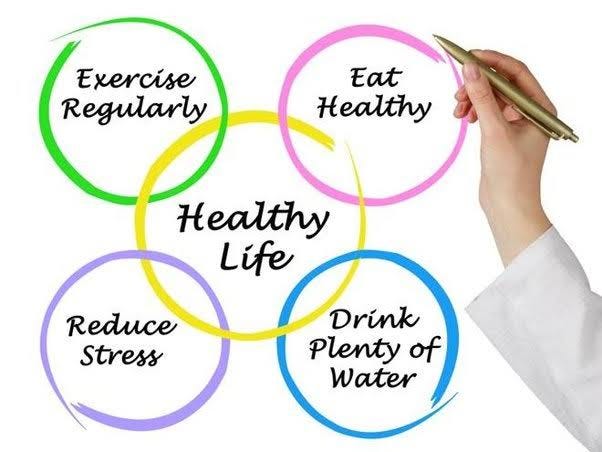

In 2025, a healthy lifestyle has evolved from simply “eating well and exercising” to a proactive, personalized, and tech-integrated approach to longevity. Today’s wellness focuses on expanding the “healthspan”—the period of life spent in good health—rather than just total years of life.
1. Proactive “Preventative” Living
The most significant shift in 2025 is the move from reactive medicine to preventative wellness.
- Regular Screenings: Annual checkups are now vital for early detection of “silent killers” like hypertension and diabetes.
- Precision Health: DNA-based testing and microbiome analysis allow for highly personalized wellness plans tailored to your specific genetic makeup.
- Advanced Wearables: Modern smartwatches now track heart rate variability (HRV), blood oxygen, stress levels, and sleep patterns in real-time, empowering users with data-driven insights.
2. Functional & Personalized Nutrition
Nutrition in 2025 emphasizes “food as medicine,” moving away from one-size-fits-all diets to functional nutrition.
- Nutrient-Dense Focus: Prioritize whole, plant-based foods, including fiber-rich legumes, whole grains, nuts, and seeds.
- Gut Health: Incorporating fermented foods (like kimchi and sauerkraut) and probiotics is essential, as 70-80% of the immune system is located in the gut.
- Mindful Choices: Reducing salt intake to under 5g daily and limiting processed meats can significantly lower the risk of chronic diseases.
3. Holistic Fitness: Beyond Aesthetics
Fitness trends in 2025 prioritize longevity and functionality over pure aesthetics.
- Consistent Activity: Aim for at least 150 minutes of moderate-intensity exercise weekly, such as brisk walking, swimming, or yoga.
- Hybrid & Functional Models: Combining in-person classes with at-home virtual training has become the standard.
- Low-Impact Movement: Trends like “mindful movement” and Pilates focus on core strength and flexibility while reducing injury risk.
4. Mental Wellness & Emotional Health
Mental health is now a top-tier priority, equal to physical fitness.
- Stress Management: Daily practices such as mindfulness, deep breathing, and gratitude journaling are essential for emotional resilience.
- Restorative Sleep: Quality sleep (7–9 hours) is recognized as a foundation of health, with consistency in sleep timing being critical for longevity.
- Digital Hygiene: Intentionally reducing screen time and taking “digital detox” breaks is a major trend to combat burnout and improve focus.
5. Connection with Nature
“Eco-wellness” has become a mainstream practice in 2025.
- Nature-Based Therapy: Activities like “forest bathing” (shinrin-yoku) and spending time outdoors are scientifically linked to lower stress and improved immune function.
- Sustainable Living: There is a growing preference for eco-conscious fitness equipment and locally sourced, organic nutrition.