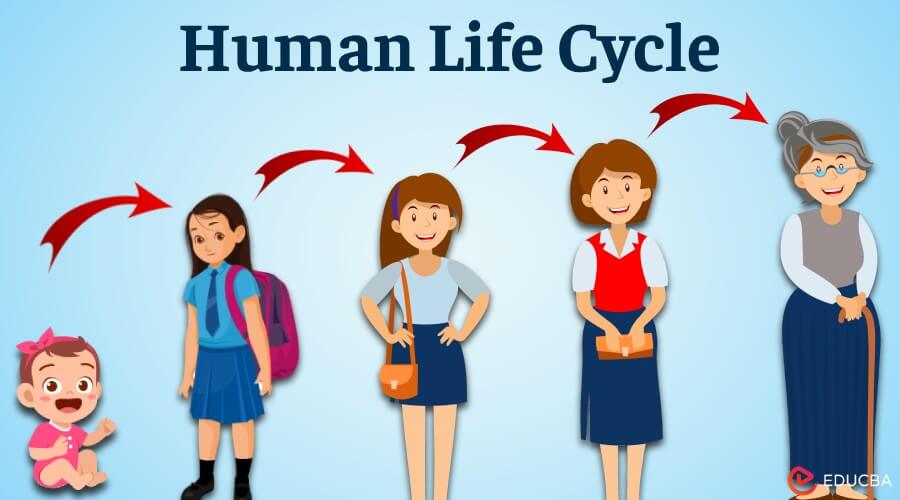

Life Stages and Demographics: Understanding Human Growth and Population Patterns
Life stages and demographics play a crucial role in understanding human development, health needs, social behavior, and population trends. From infancy to old age, every stage of life has unique physical, emotional, and social characteristics. Demographics help analyze population structure based on age, gender, income, education, and location. Together, life stages and demographics guide planning in healthcare, education, policy-making, and economic development.
What Are Life Stages?
Life stages refer to the distinct phases of human growth and development from birth to death. Each stage is marked by specific biological, psychological, and social changes.
Keywords: life stages, human development, growth stages, age groups
Major Life Stages of Human Development
1. Infancy (0–2 Years)
- Rapid physical growth and brain development
- Development of basic motor skills such as crawling and walking
- Strong emotional bonding with caregivers
- Nutrition and immunization are critical during this stage
2. Early Childhood (3–6 Years)
- Development of language, communication, and social skills
- Increased independence and curiosity
- Learning through play and interaction
- Foundation for emotional and cognitive development
3. Middle Childhood (7–12 Years)
- Steady physical growth
- Improvement in thinking, memory, and problem-solving
- Social relationships expand beyond family
- School education plays a vital role
4. Adolescence (13–19 Years)
- Puberty and hormonal changes
- Emotional sensitivity and identity formation
- Development of independence and decision-making skills
- Increased risk-taking behavior
5. Early Adulthood (20–39 Years)
- Peak physical strength and energy
- Career building and financial independence
- Formation of long-term relationships
- Focus on personal and professional growth
6. Middle Adulthood (40–59 Years)
- Gradual physical changes and aging signs
- Increased responsibility toward family and society
- Focus on health maintenance and work-life balance
- Experience and stability increase
7. Late Adulthood (60 Years and Above)
- Decline in physical strength and mobility
- Increased risk of chronic diseases
- Emotional reflection and life satisfaction
- Need for social support and health
What Is Demographics?
Demographics refer to the statistical study of populations. It includes data related to age, gender, education, income, occupation, and geographic location. Demographic analysis helps understand population trends and social structure.
Key Demographic Factors
1. Age Distribution
- Shows the proportion of children, adults, and elderly in a population
- Helps in planning education, employment, and healthcare services
2. Gender Ratio
- Represents the balance between males and females
- Impacts social structure, workforce participation, and health planning
3. Education Level
- Indicates literacy and skill development
- Strongly linked to employment opportunities and income
4. Income and Occupation
- Reflects economic status and living standards
- Helps assess poverty levels and economic growth
5. Urban and Rural Population
- Shows population spread across cities and villages
- Influences infrastructure development and resource allocation
Importance of Life Stages and Demographics
- Helps governments plan healthcare, education, and welfare programs
- Supports businesses in understanding consumer needs
- Assists researchers in studying population trends
- Improves public health strategies for different age groups
Life Stages and Demographics in Public Health
Different life stages have different health needs. Demographic data helps identify vulnerable groups such as children, pregnant women, and the elderly. This information is essential for disease prevention, nutrition programs, and health awareness campaigns.
Conclusion
Life stages and demographics provide a structured understanding of human growth and population patterns. Each life stage has unique needs that influence health, education, and social behavior. Demographic analysis helps governments, organizations, and communities plan effectively for sustainable development. Understanding life stages and demographics ensures better decision-making and improved quality of life for individuals across all age groups.